Bed bug thermal and precision chemical remediation eliminates active Cimex lectularius populations from residential structures across Glendale by addressing pesticide-resistant strains directly. Cimex lectularius…
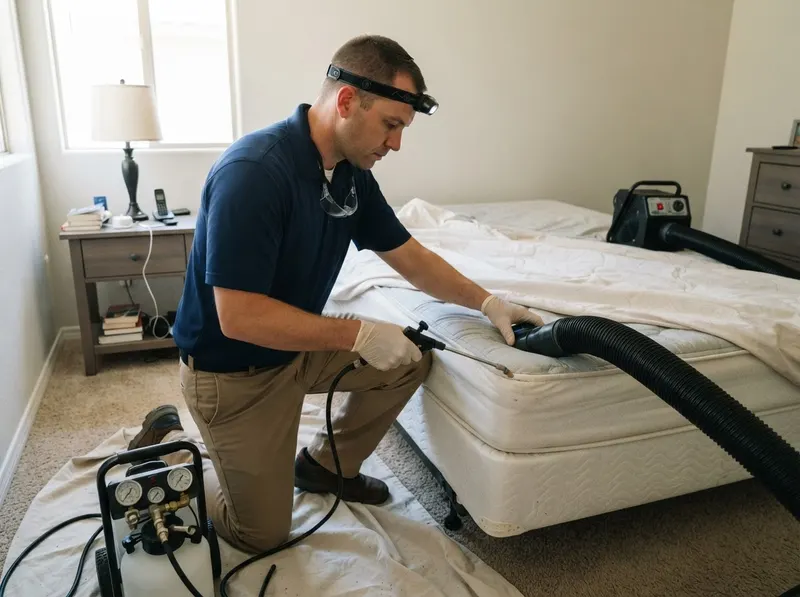
Bed bug thermal and precision chemical remediation eliminates active Cimex lectularius populations from residential structures across Glendale by addressing pesticide-resistant strains directly. Cimex lectularius exhibits thermal death points when exposed to continuous ambient temperatures of 122 degrees Fahrenheit for 90 minutes or 130 degrees Fahrenheit for 20 minutes, which coagulates cellular proteins in adult insects, nymphs, and embryonic eggs simultaneously. In Glendale microclimates, where interior ambient temperatures are heavily cooled by continuous mechanical air conditioning, insects seek harborage deep within the wall voids of historic plaster homes in Catlin Court Historic District or behind the dense decorative wood trim found in Marshall Ranch. For localized introductions limited to a single bedroom or isolated piece of furniture, targeted chemical desiccant dusts and residual synthetic pyrethroids provide lethal contact action, whereas widespread multi-room infestations require whole-structure thermal convection heating to penetrate mattress seams, underlayment, and drywall crevices without structural disassembly.
Thermal remediation utilizes mobile trailer-mounted or portable high-output electric heaters and industrial air movers to elevate interior temperatures safely between 125 and 135 degrees Fahrenheit, measured via continuous infrared surface sensors. Precision chemical remediation relies on non-repellent liquid formulations and amorphous silica gel applied directly inside structural expansion joints, baseboard perimeters, and electrical plate voids. In suburban tract layouts such as Arrowhead Ranch and Bellair, vaulted ceilings and large slab-on-grade footprints demand precise heat balancing to prevent cool thermal zones near baseboards, where bed bugs attempt escape. In older housing stock within Manistee Ranch and Ranch de Concepcion, subfloor access points and attic interfaces require localized chemical barrier placement to seal potential transit routes into adjacent rooms.
Selecting between targeted precision chemical treatments and comprehensive thermal heating involves evaluating infestation spread against operational preparation. Chemical remediation requires targeted furniture prep and residual dry times, presenting an economical approach for confirmed early-stage introductions, yet it necessitates secondary follow-up visits to catch newly emerged nymphs due to egg-case impermeability. Thermal convection remediation neutralizes the entire population in a single day-long operation, penetrating deep into insulated walls, but requires the temporary removal of heat-sensitive materials including candles, vinyl blinds, oil paintings, and aerosol containers. Every treatment executes under strict safety parameters, completely eliminating exposure hazards to children, canines, and indoor felines once the target structure normalizes to standard ambient temperatures. Service intake occurs directly through (520) 652-3817.
Every job gets a firm, written price after a free on-site visit.
Tell us about your bed bug thermal & precision chemical remediation job in Glendale and we'll send a clear, written quote, usually the same day.
 Veltrix Insect Services